Dr. Gena Chiropractic - Your Favorite Family Chiropractors - Plantation, Florida
- posted: Nov. 18, 2024
Chemical stress is a result of the body being exposed to different substances that disrupt its natural balance and put stress on organs and systems — the liver, kidneys, and nervous system in particular. Common chemical stressors include pesticides, toxic elements like mercury and arsenic, air pollutants such as the ozone layer and sulfur dioxide, excessive nutrients from fertilizers, heavy metals, industrial chemicals, pharmaceuticals, microplastics, cleaning products, and certain components in smoke or polluted air, all of which can negatively impact living organisms when exposed to them in significant quantities.
These substances can be internal (diet, smoking, excessive alcohol intake, unnecessary prescription or over the counter medication, etc) or external (environmental pollution, toxic chemicals in cleaning products, etc.).
Let’s take a look at these sources of chemical stress more closely.
Environmental Toxins: Pesticides, herbicides, heavy metals, and air pollution are major sources of chemical stress. These substances enter the body through inhalation, skin contact, and ingestion, burdening detoxification systems and potentially causing inflammation.
Food Additives and Preservatives: Processed foods often contain artificial ingredients like preservatives, colorings, and flavorings. These chemicals can disrupt digestion, impact gut health, and lead to issues like bloating, inflammation, and reduced nutrient absorption.
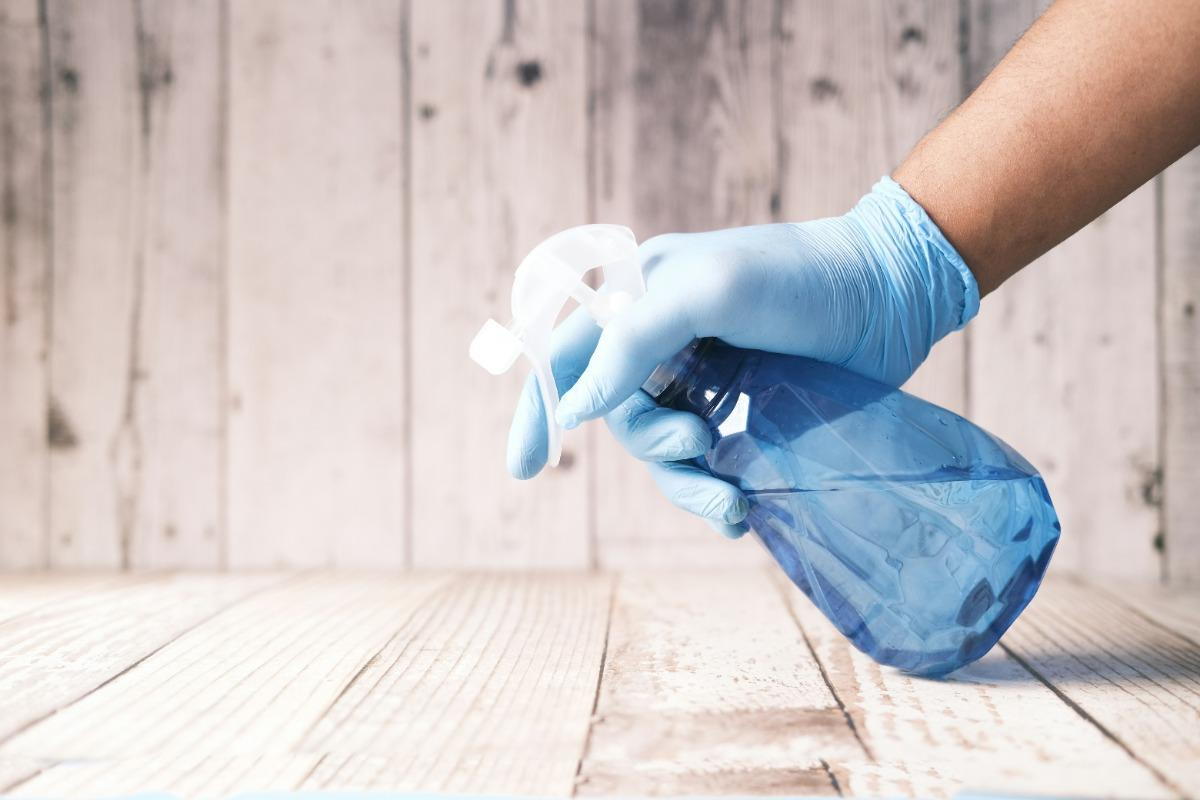
Household and Personal Care Products: Many household cleaners, cosmetics, and personal care products contain chemicals like parabens, phthalates, sulfates, and synthetic fragrances. These chemicals can be absorbed through the skin or inhaled, adding to the body’s toxic load.
Medications: Prescription and over-the-counter medications can be necessary for health but may also place stress on the liver and kidneys. Long-term medication use can impact the body’s ability to detoxify naturally and lead to a buildup of chemicals in tissues.
Alcohol and Nicotine: Alcohol and nicotine are significant contributors to chemical stress. Both substances alter liver function, increase toxin levels, and lead to oxidative stress within cells, which can accelerate aging and disease.
Internal Toxins: The body naturally produces toxins during metabolic processes, but poor diet, stress, and inadequate hydration can hinder the body's ability to eliminate these substances effectively.
Chemical stress impacts multiple systems in the body and can lead to a range of symptoms — some mild, but some much more severe. Common effects include hormonal imbalance, inflammation, digestive issues, nervous system disruption and a weakened immune system, making the body more susceptible to infections and slow recovery from illness.
We can reduce toxic load from our lives by making small changes that help us to shift toward a healthier version of ourselves. The idea of “micro-dosing” refers to exposing ourselves to small amounts of chemicals at a time, but as we do this builds up over time. Although it may seem like small doses at a time, when this toxic exposure happens day after day, week after week, month after month and then year after year, it turns into a much larger amount and can affect our health greatly.
Here are a few of our recommendations for lifestyle changes to minimize toxin exposure:
Dietary Adjustments: Eat more whole, organic foods and reduce processed foods to limit exposure to preservatives, additives, and pesticides. Avoid artificial flavorings wherever possible, as these are fake flavors that are chemically manufactured (read: may contain toxins) to taste like the real thing.
Hydration: Drinking adequate amounts of water to assist the body in flushing out toxins naturally — but not just any water. Filtered water is ideal for reducing toxic exposure, as unfiltered tap water can contain harmful substances such as heavy metals, bacteria, pesticides, etc.
Supporting Detoxification: Practice natural detox regimens like regular exercise, dry brushing, and certain supplements that aid liver and kidney health.
Reducing Household Toxins: Use natural cleaning and personal care products to minimize chemical exposure in the home.
Switching to Non-Toxic Beauty Products: Avoid using makeup and skincare products that contain parabens, phthalates, and sulfates. Parabens can be an endocrine disruptor, which affects the hormones. Both parabens and phthalates can increase the risk for breast cancer, infertility and other conditions, while sulfates can be very irritating to the skin and have increased risks for those with asthma.
In addition, regular chiropractic adjustments can help improve nervous system function, making it easier for the body to manage stress and recover from chemical exposure. Adjustments may also improve circulation and lymphatic flow, both essential for natural detoxification of the body.
Chemical stress is an often-overlooked, but it is a significant contributor to overall stress on the body. By understanding its sources and effects, you can take proactive steps to reduce your exposure and improve your overall health. As always, the team at Dr. Gena Chiropractic is here to help you become the best healthy version of yourself. Remember, your health is in your hands; our hands are here to help.
To book a consultation with the premiere pediatric and family chiropractic clinic serving the Plantation and the greater Fort Lauderdale community in Broward County, contact our office at 954-417-5815.
- posted: Nov. 18, 2024
Chemical stress is a result of the body being exposed to different substances that disrupt its natural balance and put stress on organs and systems — the liver, kidneys, and nervous system in particular. Common chemical stressors include pesticides, toxic elements like mercury and arsenic, air pollutants such as the ozone layer and sulfur dioxide, excessive nutrients from fertilizers, heavy metals, industrial chemicals, pharmaceuticals, microplastics, cleaning products, and certain components in smoke or polluted air, all of which can negatively impact living organisms when exposed to them in significant quantities.
These substances can be internal (diet, smoking, excessive alcohol intake, unnecessary prescription or over the counter medication, etc) or external (environmental pollution, toxic chemicals in cleaning products, etc.).
Let’s take a look at these sources of chemical stress more closely.
Environmental Toxins: Pesticides, herbicides, heavy metals, and air pollution are major sources of chemical stress. These substances enter the body through inhalation, skin contact, and ingestion, burdening detoxification systems and potentially causing inflammation.
Food Additives and Preservatives: Processed foods often contain artificial ingredients like preservatives, colorings, and flavorings. These chemicals can disrupt digestion, impact gut health, and lead to issues like bloating, inflammation, and reduced nutrient absorption.
Household and Personal Care Products: Many household cleaners, cosmetics, and personal care products contain chemicals like parabens, phthalates, sulfates, and synthetic fragrances. These chemicals can be absorbed through the skin or inhaled, adding to the body’s toxic load.
Medications: Prescription and over-the-counter medications can be necessary for health but may also place stress on the liver and kidneys. Long-term medication use can impact the body’s ability to detoxify naturally and lead to a buildup of chemicals in tissues.
Alcohol and Nicotine: Alcohol and nicotine are significant contributors to chemical stress. Both substances alter liver function, increase toxin levels, and lead to oxidative stress within cells, which can accelerate aging and disease.
Internal Toxins: The body naturally produces toxins during metabolic processes, but poor diet, stress, and inadequate hydration can hinder the body's ability to eliminate these substances effectively.
Chemical stress impacts multiple systems in the body and can lead to a range of symptoms — some mild, but some much more severe. Common effects include hormonal imbalance, inflammation, digestive issues, nervous system disruption and a weakened immune system, making the body more susceptible to infections and slow recovery from illness.
We can reduce toxic load from our lives by making small changes that help us to shift toward a healthier version of ourselves. The idea of “micro-dosing” refers to exposing ourselves to small amounts of chemicals at a time, but as we do this builds up over time. Although it may seem like small doses at a time, when this toxic exposure happens day after day, week after week, month after month and then year after year, it turns into a much larger amount and can affect our health greatly.
Here are a few of our recommendations for lifestyle changes to minimize toxin exposure:
Dietary Adjustments: Eat more whole, organic foods and reduce processed foods to limit exposure to preservatives, additives, and pesticides. Avoid artificial flavorings wherever possible, as these are fake flavors that are chemically manufactured (read: may contain toxins) to taste like the real thing.
Hydration: Drinking adequate amounts of water to assist the body in flushing out toxins naturally — but not just any water. Filtered water is ideal for reducing toxic exposure, as unfiltered tap water can contain harmful substances such as heavy metals, bacteria, pesticides, etc.
Supporting Detoxification: Practice natural detox regimens like regular exercise, dry brushing, and certain supplements that aid liver and kidney health.
Reducing Household Toxins: Use natural cleaning and personal care products to minimize chemical exposure in the home.
Switching to Non-Toxic Beauty Products: Avoid using makeup and skincare products that contain parabens, phthalates, and sulfates. Parabens can be an endocrine disruptor, which affects the hormones. Both parabens and phthalates can increase the risk for breast cancer, infertility and other conditions, while sulfates can be very irritating to the skin and have increased risks for those with asthma.
In addition, regular chiropractic adjustments can help improve nervous system function, making it easier for the body to manage stress and recover from chemical exposure. Adjustments may also improve circulation and lymphatic flow, both essential for natural detoxification of the body.
Chemical stress is an often-overlooked, but it is a significant contributor to overall stress on the body. By understanding its sources and effects, you can take proactive steps to reduce your exposure and improve your overall health. As always, the team at Dr. Gena Chiropractic is here to help you become the best healthy version of yourself. Remember, your health is in your hands; our hands are here to help.
To book a consultation with the premiere pediatric and family chiropractic clinic serving the Plantation and the greater Fort Lauderdale community in Broward County, contact our office at 954-417-5815.
Location
Find us on the map
7119 W Broward Blvd
Plantation, FL 33317, US
Office Hours
Monday
10:00 am - 1:00 pm
3:00 pm - 6:00 pm
Tuesday
8:00 am - 11:00 am
Wednesday
10:00 am - 1:00 pm
3:00 pm - 7:00 pm
Thursday
9:00 am - 1:00 pm
3:00 pm - 6:00 pm
Friday
Closed
Saturday
9:00 am - 11:00 am
Sunday
Closed